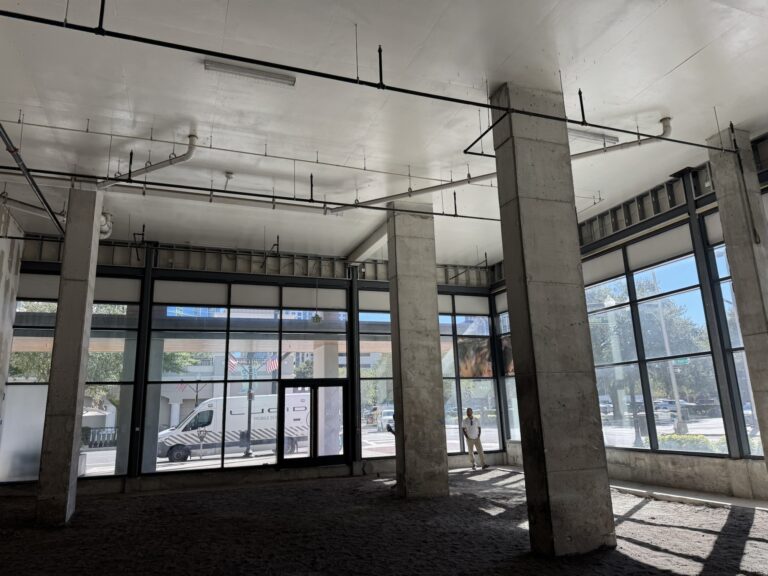
Commercial Tenant Improvement Allowance (TI) Explained for Florida Businesses
What Is a Tenant Improvement Allowance and How Does It Impact Your Commercial Build-Out?
If you’re leasing commercial space in Florida, one of the most important financial terms you’ll encounter is the Tenant Improvement Allowance (TI Allowance).
Whether you’re opening a restaurant in Orlando, expanding into a new office in Winter Park, launching a medical practice in Lake Mary, or building out retail space anywhere in Florida, understanding your tenant improvement allowance can significantly affect your project budget and long-term success.
At Benchmark Building Group, we regularly work with business owners, franchise operators, landlords, and commercial real estate professionals throughout Florida to transform raw commercial spaces into fully functional businesses. One of the first questions we often hear is:
“What exactly is a tenant improvement allowance, and how much should I expect?”
This guide breaks down everything Florida tenants need to know.
What Is a Tenant Improvement Allowance?
A Tenant Improvement Allowance (TI Allowance) is a financial contribution provided by a landlord to help pay for improvements or modifications required to make a leased commercial space suitable for a tenant’s business operations.
In simple terms, the landlord agrees to contribute a certain amount of money toward construction costs associated with your commercial build-out.
The allowance is typically negotiated as part of your lease agreement and is often expressed as a dollar amount per square foot.
For example:
- 2,000 square foot office
- $40 per square foot TI allowance
The landlord contribution would equal:
$80,000 toward tenant improvements
This allowance can significantly reduce the upfront costs associated with leasing and building out commercial space.
What Can a Tenant Improvement Allowance Be Used For?
The answer depends on the lease agreement, but common eligible expenses include:
Interior Demolition
Removing existing walls, fixtures, finishes, or outdated improvements.
Framing and Drywall
Creating offices, treatment rooms, conference rooms, storage areas, or specialized workspaces.
Flooring
Carpet, luxury vinyl plank, tile, polished concrete, and other approved finishes.
Electrical Work
New circuits, lighting, outlets, dedicated equipment power, and panel upgrades.
Plumbing
Restrooms, break rooms, medical sinks, commercial kitchen rough-ins, and specialty plumbing systems.
HVAC Modifications
Adjustments to heating and cooling systems needed to support the new layout.
Ceiling and Finishes
Painting, ceiling replacement, trim work, and final finish installation.
Permits and Professional Services
In some cases, architectural, engineering, permitting, and inspection costs may qualify.
How Much Is a Typical Tenant Improvement Allowance in Florida?
Tenant improvement allowances vary significantly depending on:
- Market conditions
- Building class
- Location
- Length of lease
- Tenant creditworthiness
- Existing condition of the space
General ranges often seen in Florida include:
| Property Type | Typical TI Allowance |
|---|---|
| Class B Office Space | $15-$40 per SF |
| Class A Office Space | $40-$100+ per SF |
| Retail Space | $20-$75+ per SF |
| Medical Office Space | $40-$120+ per SF |
| Restaurant Space | Highly Variable |
It’s important to understand that these figures can change based on local market conditions and lease negotiations.
In competitive markets such as Orlando, Tampa, Jacksonville, and South Florida, landlords may offer larger allowances to attract high-quality tenants.
What Happens If Build-Out Costs Exceed the Allowance?
This is one of the most common situations we encounter.
Many business owners assume the landlord allowance will cover the entire project. In reality, tenant improvement allowances frequently cover only a portion of the total build-out cost.
For example:
- TI Allowance: $60,000
- Total Construction Cost: $120,000
Tenant Contribution:
$60,000
The tenant is responsible for the remaining balance.
This is why obtaining accurate construction pricing before signing a lease is critical.
A professional contractor can help evaluate the space and provide realistic budgeting during lease negotiations.
Understanding Turnkey vs. Tenant Improvement Projects
Not all commercial leases are structured the same way.
Turnkey Build-Out
In a turnkey arrangement, the landlord manages and funds the construction process according to an agreed-upon scope.
The tenant receives a completed, move-in-ready space.
Advantages
- Reduced upfront costs
- Simplified process
- Single point of responsibility
Disadvantages
- Less design flexibility
- Limited control over contractor selection
- Potential schedule constraints
Tenant Improvement Allowance Build-Out
With a TI Allowance structure, the tenant often has greater control over:
- Design
- Layout
- Contractor selection
- Construction decisions
This provides greater flexibility but also requires more involvement throughout the project.
Why Early Construction Planning Matters
One of the biggest mistakes commercial tenants make is negotiating a lease before understanding build-out costs.
Construction pricing can vary dramatically depending on:
- Existing conditions
- Building systems
- Code compliance requirements
- Accessibility upgrades
- Mechanical and electrical capacity
- Specialty business requirements
Restaurants, medical offices, fitness facilities, salons, and hospitality projects often require significantly more infrastructure than traditional office spaces.
Early planning allows business owners to:
- Negotiate stronger TI packages
- Avoid budget surprises
- Reduce project delays
- Improve project scheduling
Tenant Improvement Considerations for Florida Businesses
Florida presents unique challenges that should be considered during lease negotiations and construction planning.
These may include:
Hurricane Code Requirements
Building improvements often must comply with current Florida Building Code requirements.
Energy Efficiency Standards
Lighting, HVAC systems, and other building components may require upgrades.
ADA Compliance
Accessibility requirements frequently impact commercial renovations and tenant improvements.
Municipal Permitting
Each jurisdiction may have different permitting and review processes.
Cities such as Orlando, Winter Park, Maitland, Lake Mary, Altamonte Springs, Tampa, Jacksonville, and Miami all have unique permitting requirements.
Working with a contractor familiar with local jurisdictions can significantly improve project efficiency.
Choosing the Right Contractor for Your Tenant Improvement Project
A successful tenant improvement project requires more than construction expertise.
Your contractor should understand:
- Commercial lease structures
- Landlord requirements
- Budget development
- Design coordination
- Permitting
- Scheduling
- Occupancy requirements
At Benchmark Building Group, we work closely with tenants, landlords, brokers, architects, and property managers to deliver successful commercial build-out projects throughout Florida.
Our experience includes:
- Office Build-Outs
- Medical Office Renovations
- Retail Build-Outs
- Restaurant Construction
- Hospitality Renovations
- Franchise Construction
- Commercial Tenant Improvements
Planning a Commercial Build-Out in Florida?
Understanding your tenant improvement allowance is one of the most important steps in planning a successful commercial project.
Before signing a lease, business owners should evaluate construction costs, permitting requirements, scheduling considerations, and potential landlord contributions to ensure their project remains financially viable.
If you’re planning a commercial build-out, tenant improvement project, office renovation, restaurant construction project, or medical office build-out anywhere in Florida, Benchmark Building Group can help you evaluate your space, establish a realistic budget, and develop a strategy for project success.
Contact Benchmark Building Group today to discuss your upcoming commercial construction project.